How Much Does It Cost to Move Out of Colorado?
Moving out of Colorado can cost a few thousand dollars for a smaller shipment and a relatively direct route. A larger cross-country move with packing, storage, difficult access, or specialty items can exceed $10,000.
There is no single flat price for an interstate move. The final cost depends on your destination, shipment size, moving date, service level, and access at both addresses.
This guide explains the typical cost of moving out of Colorado, the main factors that affect your quote, and what movers need to prepare an accurate estimate.
How Much Does It Cost to Move Out of Colorado by Home Size?
As a general planning range, many professional long-distance moves from Colorado cost between $3,000 and $10,000+. Smaller moves may cost less, while larger households, longer routes, and additional services can raise the price.
Move Size | Estimated Full-Service Moving Range |
Studio or 1-bedroom apartment | $1,800–$5,500+ |
2-bedroom home or apartment | $3,000–$7,500+ |
3-bedroom home | $4,500–$10,000+ |
4+ bedroom home | $7,000–$13,000+ |
These are general planning ranges, not guaranteed quotes. Your actual price will depend on the route, inventory, moving date, requested services, and access conditions.
Main Factors That Affect the Cost
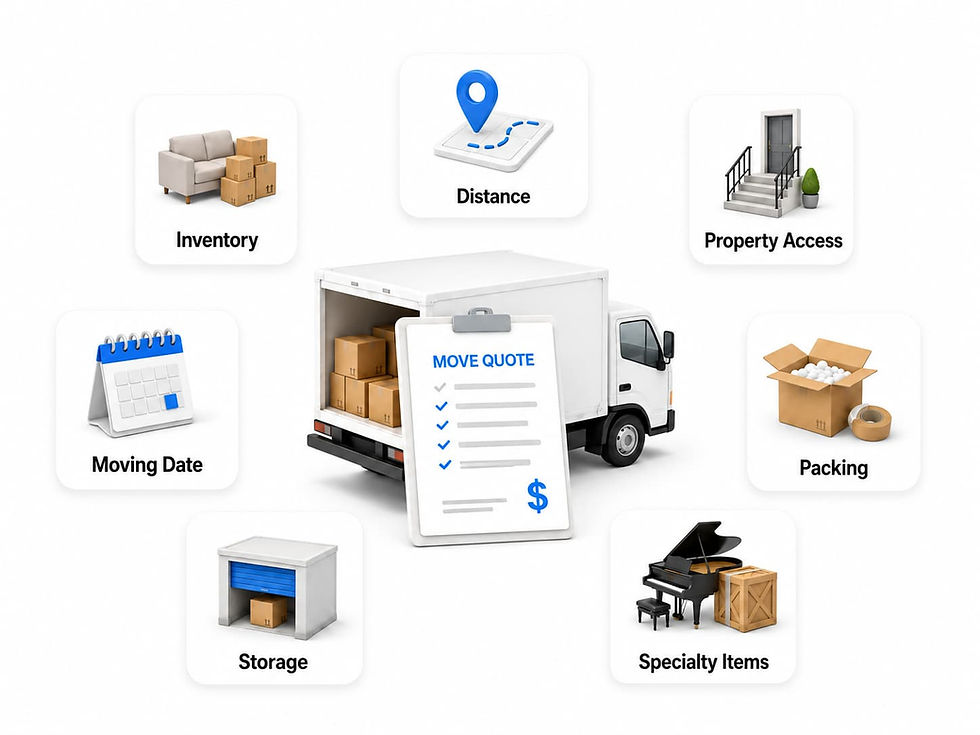
1. Distance to Your New State
Distance is one of the largest pricing factors. Longer routes require more transportation time, fuel, coordination, and scheduling.
A move from Colorado to Wyoming, Nebraska, Kansas, New Mexico, or Utah generally involves fewer miles than a move to California, Washington, Florida, or New York.
However, mileage is not the only factor. A shorter move with a large shipment, difficult access, packing, or storage can cost more than a longer move with fewer belongings and straightforward conditions.
For an accurate quote, movers need the origin and destination ZIP codes rather than only the states.
2. Home Size and Inventory
Your inventory has a major effect on the price.
Movers need an accurate list of your furniture, boxes, appliances, garage items, outdoor belongings, and any heavy or specialty pieces.
The number of bedrooms is only a starting point. A lightly furnished three-bedroom home may contain less than a crowded two-bedroom apartment with a garage or storage unit.
Before requesting a quote, separate your belongings into three groups:
Items you are definitely moving
Items you plan to sell, donate, or leave behind
Items you have not decided about yet
This helps make the estimate more accurate and prevents you from paying to transport things you no longer need.
If you add a significant number of items after receiving the quote, the original estimate may no longer reflect the actual shipment.
3. Moving Date and Seasonal Conditions
Your moving date can affect price and availability.
Summer, weekends, and dates near the beginning or end of the month are often in higher demand. Flexible dates may provide more scheduling options.
For mountain-area moves, winter weather may also affect access, route planning, and timing. Snow or difficult road conditions do not automatically make the move more expensive, but any special access or equipment needs should be discussed before moving day.
4. Pickup and Delivery Access
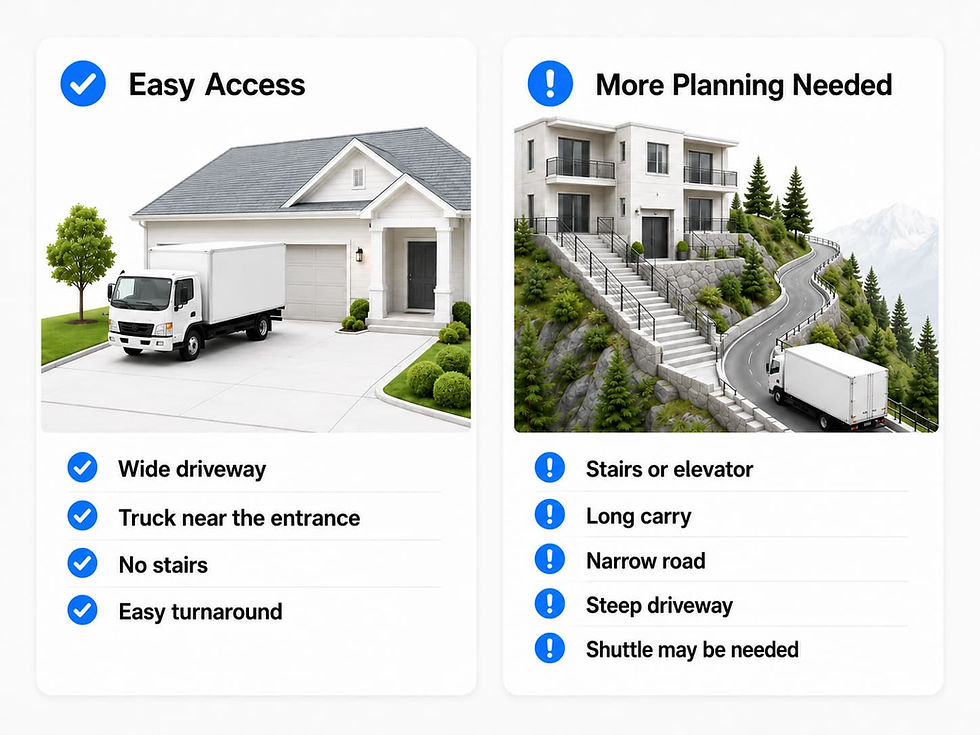
Access at both addresses can affect the labor, equipment, and time required.
A Front Range home with a wide driveway may be straightforward. A downtown apartment, mountain property, gated community, or home on a narrow private road may require additional planning.
Important access details include:
Stairs or elevators
Long carries between the home and truck
Parking restrictions
Building loading hours
Steep driveways
Narrow streets or private roads
Limited turnaround space
Required parking permits
Possible shuttle service
Access should be reviewed at both ends of the move. An easy pickup in Colorado does not guarantee simple delivery at the destination.
5. Packing Service
Packing can change the cost of a long-distance move.
You can pack everything yourself, request full professional packing, or choose partial packing for fragile and difficult items.
Self-packing may reduce the upfront cost, but you are responsible for materials and proper box preparation. Professional packing adds labor and material costs but can save time and help protect dishes, mirrors, artwork, electronics, and oversized items.
Partial packing is often a practical middle option: you pack standard boxes, and the movers handle fragile or complicated pieces.
6. Storage
Storage may be needed when your move-out and move-in dates do not match, such as when you are waiting for closing, relocating into temporary housing, or finalizing your new address.
Storage can affect both the price and delivery timeline. The cost may depend on the shipment size, storage period, and whether the belongings need to be unloaded and reloaded.
Mention possible storage needs during the quote process instead of adding them shortly before pickup.
7. Heavy and Specialty Items
Pianos, safes, exercise equipment, antiques, motorcycles, oversized furniture, and items requiring custom crating may need additional labor, preparation, or equipment.
Tell the mover about these items before the estimate is prepared. Photos and measurements may be required to determine how they should be protected and loaded.
How Service Level Affects the Price
A self-packed move with basic loading and transportation will usually cost less than a move that includes full packing, storage, specialty-item handling, or additional access services.
If you are still comparing professional movers, moving containers, and rental trucks, read:
Explore Long-Distance Moving Services From Colorado
See how EZ MoveIt plans interstate moves from Colorado and explore available packing, storage, and specialty-item services.
Why the Lowest Quote Is Not Always the Best Quote
The lowest number is not always the most complete estimate.
One company may review your inventory, route, dates, access, packing needs, and specialty items before preparing a quote. Another may provide a low starting price without evaluating the full move.
Before choosing a mover, ask:
Is this a written binding or non-binding estimate?
What inventory and services are included?
Are packing and storage included or separate?
Are stairs, long carries, and shuttle service included?
What happens if the inventory changes?
Is the company a direct carrier or a moving broker?
What are the expected pickup and delivery windows?
A useful quote should explain the actual moving plan before your belongings are loaded.
What You Need for an Accurate Moving Quote
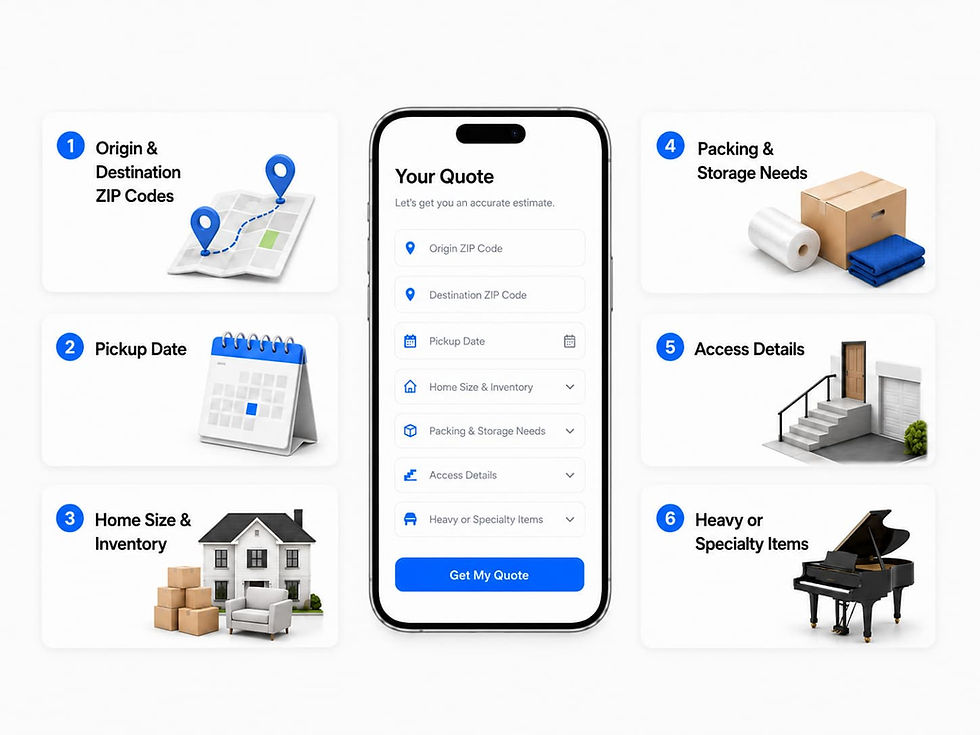
Before requesting a long-distance moving quote from Colorado, prepare:
Origin and destination ZIP codes
Preferred pickup date or date range
Home size and detailed inventory
Estimated number of boxes
Packing and storage needs
Access details at both addresses
Heavy or specialty items
Your scheduling flexibility
Photos or a virtual walkthrough may also help the mover understand the shipment and property access.
The more complete your information is, the more accurately the quote can reflect the actual move.
So, How Much Will Your Move Out of Colorado Cost?
The cost of moving out of Colorado depends on your destination, shipment size, service level, moving date, access conditions, and any packing, storage, or specialty services you need.
A smaller shipment moving to a nearby state may cost a few thousand dollars. A larger household moving across the country with additional services can cost more than $10,000.
Instead of choosing a mover based only on the lowest starting price, review what each estimate includes. Make sure the quote reflects your actual inventory, route, dates, services, and access conditions.
That is the most reliable way to understand what your Colorado move may cost before moving day.
Find Out What Your Colorado Move May Cost
Share your route, inventory, moving date, access details, and service needs to receive a binding estimate based on your actual move.